

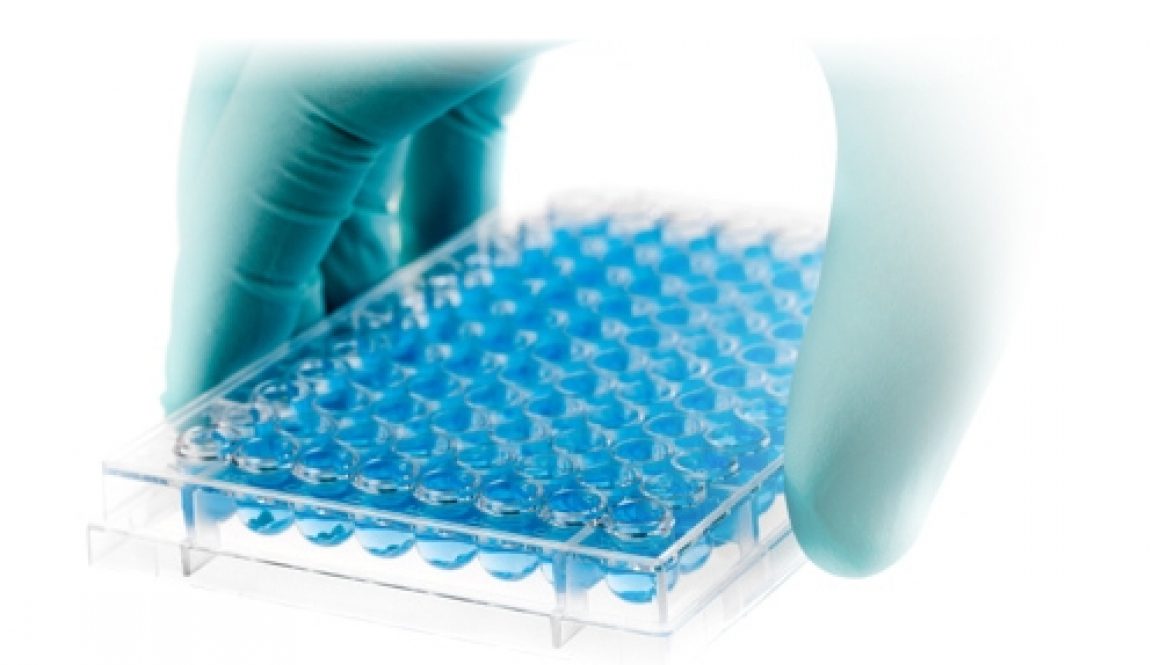
Lactose Intolerance DNA Test
How does a lactose intolerance DNA test work?
The test analyzes the Beta-D-Galactosidase gene and determines whether the enzyme responsible for lactose digestion is functioning. This will establish whether there is an intolerance or non-intolerance and hence if dietary recommendations, lifestyle changes are required. Click here to see the sample report.
Why take this test?
There are other tests used to determine whether you are suffering from lactose intolerance. However, tests require that you actually consume lactose-containing products. Depending on how badly you suffer from this condition, these tests can cause added discomfort. A DNA test does not require you consume any lactose containing foods. If you are at a high genetic risk, the test will confirm this even if you are on a lactose-free diet.
Carrying out the lactose intolerance DNA test
Carrying out our lactose intolerance test is simple and straightforward. You will just need to send us a DNA sample collected using mouth swabs. We will provide the mouth swabs inside the kit we send you. Kits include:
- Instructions
- Consent forms
- Self-addressed return envelope
- Mouth swabs
Once you have collected the required samples, you can send these back for testing at the laboratory. Results will be issued in 10-15 working days from the moment we get your samples at the laboratory.
The symptoms of lactose intolerance
The symptoms of lactose intolerance are very non-specific and could in fact be causes by other conditions. These include:
- Diarrhea
- Nausea, and sometimes, vomiting
- Abdominal cramps
- Bloating
- Gas
These non-specific symptoms are exactly why you really need this DNA test. If you have a gene which predisposes you to lactose intolerance and places you at a high risk, it is likely that the symptoms you experience when ingesting lactose are caused by intolerance to the sugar.
Excluding all lactose containing products to see if the symptoms ease off completely is the most common way of diagnosing the condition. If the test excludes the presence of the gene, you know that it is highly unlikely that the symptoms you have are due to lactose intolerance.
Products containing lactose:
The below are just some of common products we consume which commonly contain milk or lactose.
- Bread
- Baked goods
- Processed breakfast cereals
- Instant potatoes, soups, and breakfast drinks
- Margarine
- Lunch meats (except those that are kosher)
- Salad dressings
- Candies
- Chips and other processed snacks
- Mixes for pancakes, biscuits, and cookies
- Soft cheeses
- Milk
- Nondairy whipped toppings
- Nondairy liquid and powered coffee creamers
Consider a celiac disease genetic predisposition test
Do you experience discomfort, such as abdominal pain and bloating, after you eat certain foods such as bread or pasta? Do you think you might be celiac? Click here to read more about this test we offer.
GTLDNA offers a range of different health testing services.

Celiac Disease Genetic Testing
What is Celiac Disease?
Also known as celiac sprue and gluten-sensitive enteropathy, celiac disease is an autoimmune digestive disorder. It is also hereditary – people who have a first-degree relative affected by the disease are considerably more at-risk than others. 1 in 100 people are affected by a heightened sensitivity to gluten; however the occurrence of celiac disease is somewhat rarer than gluten sensitivity.
Gluten is a protein found in wheat, rye and barley among other things. In celiac suffers, gluten triggers an immune response which attacks the small intestine, damaging the villi (small hair-like protrusions that line the small intestine and bolster the absorption of nutrients). By damaging the villi, the body’s ability to absorb nutrients (particularly fat, calcium and iron) is reduced and consequences celiac disease could potentially be life-threatening.
Why take a Celiac Genetic Predisposition Test
- Unlike serology testing/ blood antibody testing, you do not need to be on a gluten-containing diet to take our test*.
- You do not need any blood samples – all we require is quick mouth swab sample.
- It can save you a lot of discomfort associated with other celiac tests which might require blood draws.
- Following a gluten-free or reduced-gluten diet makes sense if you have positive genetic test results – otherwise there is a chance you could be doing it for nothing.
*Due to the fact what we offer is a genetic test, the results will not be affected if the individual taking the test is on a gluten free diet.
Science behind our Celiac Disease Genetic Testing
Celiac disease does not always manifest in clear symptoms – many of the symptoms are shared with a range of other diseases. We offer two types of tests:
- Standard
- Extended
Standard Test (For $135): Gain valuable insights with an analysis of the key genetic markers linked to celiac disease. This test helps you to refine complex diagnoses, strengthen positive serology or biopsy findings and proactively manage your celiac disease risk.
For an example of results, please click below:

Extended Test (For $189): Take control of your health with a comprehensive analysis of 16 genetic markers. This test offers additional benefits: Achieve peace of mind with a definitive exclusion of celiac disease (negative result), understand your personal risk level for developing celiac disease and gain valuable genetic information for your celiac-affected family members.
For an example of results, please click below:
The Standard Test can point you towards further testing with serology or a biopsy for confirmation. The Extended Test can, in some cases, provide a definitive answer, offering peace of mind.
Note that the test results cannot confirm you are Celiac at the time of testing. If tests come back positive, the next step in diagnosing celiac disease should be discussed with your health specialist.
Celiac Disease Genetic Testing is Recommended when:
- An individual exhibits multiple symptoms associated with Celiac disease
- An individual has been following a gluten-free diet but has not carried out any celiac tests before.
- Individuals who have first degree, blood relatives who are celiac sufferers.
- Serology (blood) testing/ antibody testing do not provide clear results
FAQs
Can I treat Celiac Disease?
The only way you can treat celiac disease is by following a rigorous gluten-free diet (GFD). Such a diet eliminates food such as bread, pasta and beer and other foods that contain wheat, spelt rye and barley. Damage can be caused to the intestine by consuming even the smallest traces of gluten, such as that can be found on a toaster or cutting board. It is recommended that you tailor your diet according to the severity of your celiac disease. In cases where one has a milder case of the disease, you do not have to completely cut out certain foods from your diet, but merely consume less of the food in question.
Nowadays one can easily find gluten-free foods on the market. Foods that are rich in gluten can be substituted by gluten-free grains and starches like buckwheat, corn, millet and legumes. Other foods that are allowed in a gluten-free diet include eggs, all meats, milk products (if lactose intolerance is not present) and vegetables.
GTLDNA offers a range of different health testing services.
Baby Gender Testing
Discovering if it’s a Boy or Girl
Baby girl or boy? Get your baby gender test today. Knowing the sex of your unborn child is helpful during the planning and preparation stages before the birth, and our test can give you a 98% accurate result. Samples are collected via a medical blood draw. Our kit will contain the require vials in which to place the blood. You will simply need to find a doctor or nurse to collect the sample for you.
Why choose our baby gender test?
- DNA is extremely reliable – our test offers an accuracy of 98%. Don’t risk getting an incorrect result by purchasing a cheaper hormone-based DIY kit that provides instant results.
- You can proceed with the analysis from 8 weeks post conception or 10 weeks of pregnancy.
- All we need is just a blood sample taken via a standard medical blood draw.
To calculate any dates related to your pregnancy, you may use our pregnancy calculator.
How can you tell if it’s a boy or girl so early in the pregnancy?
The laboratory analysis is based on the advanced extraction of foetal DNA from blood through a new isolation technique. The foetal DNA is then analysed for the presence of Y male chromosomes. If the male Y chromosome is detected then get ready for it: You will have a baby boy. If our analysis does not detect any Y chromosomes, that the fetus is female and you will have a baby girl.
Important: Although our baby gender test is a great way of discovering the sex of your baby, ultrasounds are important as part of your prenatal care provision. Should you have any queries, consult your GP.
*Our test is 98% accurate at 8 weeks post conception or 10 weeks of pregnancy. The lab has a quality assurance program that continuously monitors the quality of our methods and reagents and the accuracy of our results.
Give yourself the peace of mind and your baby the kind of preparation that only time allows.
Standard results will be received in 7-10 working days from receipt of your samples. Please note turnaround time starts from the moment samples reach our laboratory.
Note: Your only additional cost will be the blood collection fee that should be arranged with the sample collector during your pathology appointment.
Our Refund Policy
In the case that it can be proven that the result of the test is incorrect, we will provide a 100% refund. Refunds are only provided after the birth of the child and against a copy of the birth certificate. Please read our refund policy for full terms and conditions governing refunds.
To read our Prenatal Test Specific Terms and Conditions, please CLICK HERE

Twins DNA Test
Uses of a Twin DNA Test
You might think it obvious: identical twins look the same whilst non identical twins look different. However, physical characteristics and facial features are not enough to scientifically ascertain whether the individuals are dizygotic or monozygotic. Sometimes, non identical twins can be indistinguishable. Here are some common reasons why people choose our twin DNA testing service.
Clients are curious to know with 100% certainty if twins are identical or otherwise in cases where any difference in appearances between the twins is imperceptible.
Clients sometimes have medical reasons for a twin zygosity test. Monozygotic twins have the same carbon copy of each other’s DNA profiles. For this reason they have the same blood groups which make them perfect blood donors to each other.
Further to this, the fact that identical twins are formed from the same genetic material means that they also share the same antigens. If identical twins donate organs to each other, the chances or transplant/organ rejection (the process where by the body of the receiver attacks the newly implanted organ) are lower because of the organ similitude between the donor and the twin receiving the organ (identical twins share the same HLA antigens which means the implanted organ is not perceived as foreign).
Ordering your Twin Test
Results are ready using standard turnaround time in 7- 10 working days. Once we have processed the order, we will dispatch the kit to our client’s chosen address. The DNA sample collection kit will contain 4 mouth swabs per twin. You will need to rub the mouth swabs under the tongue and against the inner cheek. Once we have the samples at the laboratory, we will compare the twins’ DNA profiles to establish whether they are identical or fraternal.
We can only guarantee standard result turnaround time when testing takes place solely using oral swab samples. Using a discreet sample for your test may lead to an increase in turnaround time.
Understanding Twin Zygosity
To understand more about twin zygosity and twin conception in mammals, refer to our glossary terms for identical twins and fraternal twins.

Siblings DNA Test
About our Siblings DNA Test
If siblings (male and female) question whether they share the same father or mother, they can choose to carry out sibling DNA testing. The test can be done with any number of siblings and the results will provide a clear indication of whether or not the siblings have a parent in common.
GTL offers sibling testing for 2 alleged siblings for the cost of $589.Results are ready in 7-10 working days.
What about Testing the Parents?
If siblings have decided to keep the DNA test strictly between themselves it is probably because they have already considered testing the mother’s sample in a maternity test or the father’s sample in a paternity test and discarded these options due to the unavailability of DNA samples. The test that will give you the most accurate results is a DNA test where the samples of the alleged mother or father are compared directly with the samples of the child/children.
Genetic Technologies Limited always recommend a sibling test as a second option in cases where out clients are unable to provide us with DNA samples from the alleged mother or father.
Although the results of a sibling test will not be as conclusive as a paternity or maternity test, they can still provide very accurate results and help find definitive closure. To increase the accuracy of a sibling test, try providing GTL with a sample from any of the known parents. It would also help us to know which parent you are certain you share, if any.
Sibling testing: The Results
Siblingship test results do not follow the same template as a maternity or paternity test. The test will compare the genetic profiles and calculate a siblingship index. The laboratory then combines multiple siblingship indexes to derive a combined siblingship index. We take an index of 1.00 as our benchmark – a figure below this number would indicate that the tested parties are not siblings. The higher the value is above 1.00, the higher the chances that the tested parties are blood siblings.
Basing ourselves on the laboratory analysis, we then give our clients a clear interpretation of the results, scientifically assessing the most likely relationship between the tested parties in terms of whether they are full siblings (having both mother and father in common), half siblings (having either just their father or just their mother in common) or not siblings (and thus having no common parent).
Samples for a sibling test are usually collected using our kit. GTL provides a home sample collection kit with which clients can collect their saliva samples using buccal swabs.
Testing between Male Siblings
If Siblings are male and want to know if they have the same father, GTL suggests Y-STR DNA testing or Y chromosome testing. The Y chromosome is exclusively found in males and it encodes maleness in a region known as sex-determining region Y. Unlike sibling tests, a Y chromosome test is not made more accurate with the sample of the mother and gives highly accurate yes/no results. A Y chromosome test can even be used to trace patrilineal ancestry.
Please note: In some cases, a Y-STR DNA Test can provide more conclusive results for males determining common paternal lineage.

Immigration DNA Test
About Immigration Testing
The Department of Immigration & Citizenship overseas all immigration cases into Australia. Immigration testing is not a pre-requisite and is not required under any law; it can however, provide supplementary evidence of relationship in cases where other forms of documentation (birth certificates and other public registry records) are not available or do not meet the standards required by the department. Any results presented are strictly confidential and the department is bound by the Privacy Act of 1988.
Types of Immigration DNA Tests
There are many types of DNA tests that can be done in order to sustain immigration documentation needed for the immigration authorities.
The most common tests are:
- Paternity testing: done to provide proof of paternity of the relationship between a father and his child/children. Click here for more information.
- Maternity test: done to provide proof of maternity of the relationship between a mother and her child/children. Click here for more information.
Relationship DNA tests between relatives can also be carried out for immigration.
GTL offer DNA tests that are accredited by the National Association of Testing Authorities of Australia. If immigration testing is suggested by the Department of Immigration & Citizenship, the applicant must choose a laboratory that is NATA accredited thus, ensuring that results comply with the criteria required by the department.
Test participants may have to have their samples collected in an Australian Embassy or consulate in cases where the participants live outside Australia. Embassies or consulates will normally have a sampler available to collect your samples and fill in the required paper work and consent forms. Clients will incur an additional fee for the sample collection payable directly at the embassy – Kindly note that GTL does not cover this fee in the cost of its immigration tests. For more information, please visit the Department of Home Affairs.
Legal Paternity Test
Types of Legal Tests
We offer a range of other tests that can be used for legal purposes. Get more information about our broad range of DNA tests.
Your Kit
Our kits are sent directly to the person who will collect the samples. Your paternity testing kit will contain:
- Special forms which need to be signed and filled in by the sampler. Some sections need to also be filled in by the people taking part in the test.*
- The procedure to follow for the test and the sample collection. All this will be outlined in the instructions we provide.
- Buccal swabs: a pack of 4 swabs for every person tested.
*Any children being sampled that are under the age of consent in Australia will have their legal parent or guardian sign and fill out their sections of the forms.
Steps to Follow
The steps that need to be followed are few and simple but integral to the validity of the results of the test. The entire procedure where a sampler is engaged to collect samples and act as testifier is summed up in the phrase “chain of custody”. The following are some important points:
- The sampler is chosen by the test participants themselves (although in some cases the sampler may be appointed by an embassy/consulate or a correctional facility/prison).
- The sampler must be unrelated – all possible bias must be thus, eliminated.
- The sampler must be willing and available to appear in court should they be summoned by the judge (this is unusual but it may happen)
- The sampler collect samples – no one else but the sampler can touch, handle, palpate or come into contact with the swabs. Once the samples have been collected, it is the sampler who must personally send samples back for testing.
Types of identification accepted include: a passport (Australian or otherwise), Full Australian birth certificate issued by an Australian state or territory Registry of Births, Deaths and Marriages, a certificate of citizenship issued by Immigration and Citizenship Department, Current driving license issued by an Australian state or territory and others.
GTL cannot unconditionally guarantee acceptance of its legal results by an Australian Family Law court or any other court in Australia. We are recognized as a NATA accredited facility and the results of our tests are incontrovertible. However, the judge could refute the results of a paternity test for various reasons depending on the specific case (for example the judge might refute the results if he or she believes that father is unfit to parent). Remember the law courts must always act in the best interests of the child.
Could do with a Home Paternity Test?
Home paternity testing is your first choice when it comes to establishing paternity. We, at GTL, suggest legal tests to our clients only if they have already definitively established that they are not the father or have a court order for a paternity test.
Reliable proof of parentage can be especially important for legal reasons. The results of a NATA accredited paternity test can be used in a court case to support any claims to the paternity of a child or perhaps to invalidate any previous paternity claims.